
Displays That Adapt to Your Booth and Brand
Blindside Global Events designs custom and modular displays that reconfigure for different venues across Chicago, the U.S. and globally.
Your booth size changes from one event to the next, and your display needs to adjust without rebuilding from scratch. Custom and modular displays from Blindside Global Events combine tailored branding with flexible configurations that adapt to different floor plans at convention centers in Chicago, Rosemont, Elgin, IL, and surrounding cities.
Modular systems allow you to add or remove sections, reconfigure layouts, and scale your presence based on booth size and event goals. Custom elements ensure your branding, messaging, and materials align with your strategy, while the modular structure keeps storage, transport, and setup manageable across multiple shows.
If you exhibit at several events each year and need a polished, professional presence without starting over each time, contact Blindside to discuss your booth requirements and event schedule.
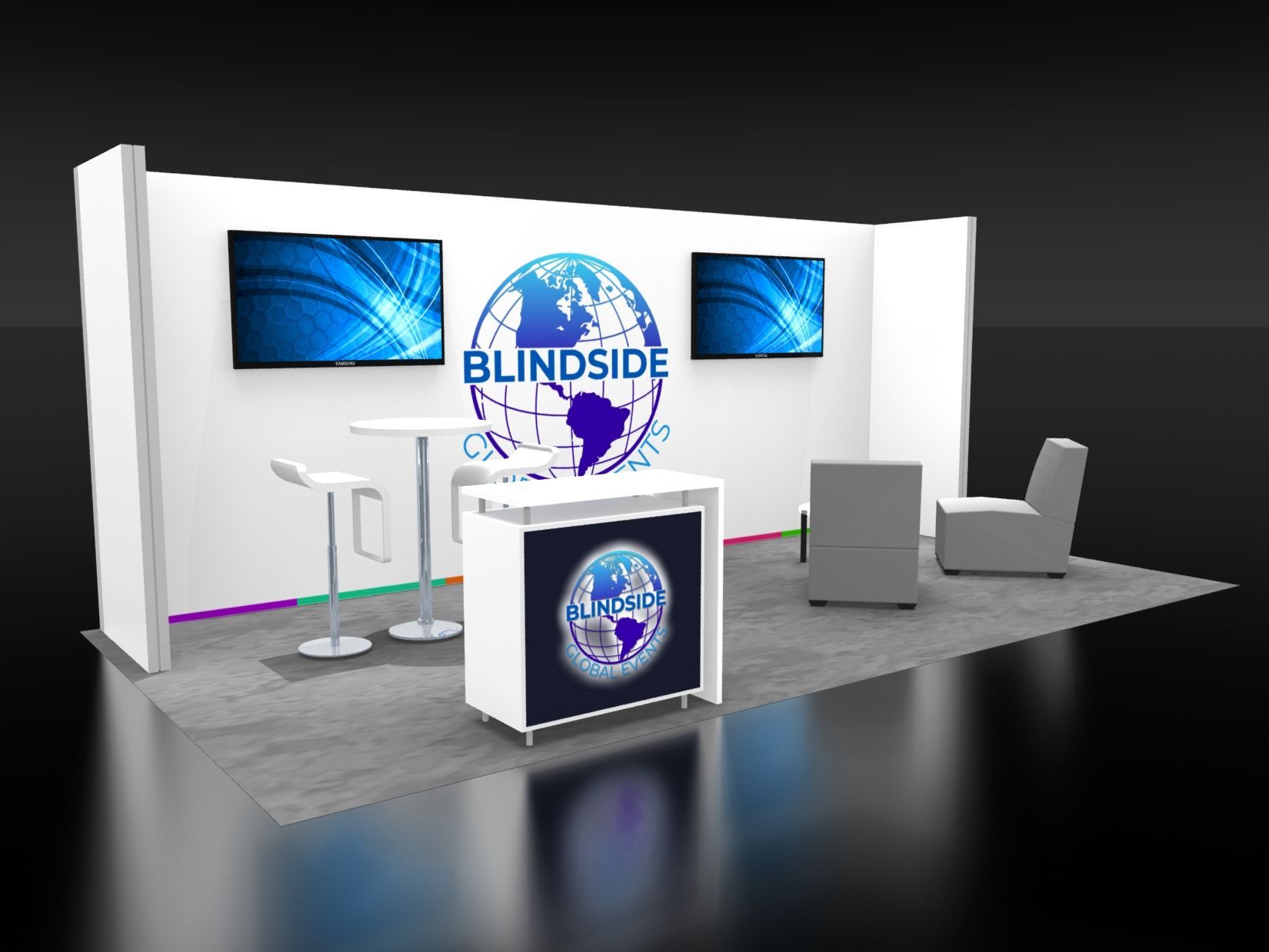
Why Modular Systems Work for Repeat Exhibitors
Modular displays in Chicago are built from interlocking frames, panels, and attachments that reconfigure without replacing the entire structure. You can expand a 10x10 booth into a 10x20 layout, add towers or monitors, or rearrange components to fit venue rules and traffic flow at each event.
After your first show, you will notice how the same display elements reassemble into a different configuration without looking improvised or incomplete. The system maintains a consistent brand look while adapting to the practical constraints of each venue.
These displays balance visual impact with practical logistics and storage considerations, making them suitable for both small regional events and larger national exhibitions. They are built to align with long-term exhibit strategies, so your investment grows with your event calendar rather than becoming obsolete after one or two appearances.
Questions about flexibility and long-term value come up often
Exhibitors considering modular displays often ask about reconfiguration limits, storage, and whether custom elements can integrate into a modular system. These answers address the practical concerns that affect your decision and budget.
Large convention centers in Chicago, Elgin, and Rosemont, IL, often host exhibitors in varying booth sizes across multiple events. Modular displays let you participate in these venues without ordering a new booth each time your space allocation changes.
Blindside Global Events supports exhibitors seeking a polished, professional presence across multiple shows, with systems that adapt to both small regional events and larger national exhibitions. If you are planning your exhibit strategy for the year, reach out to discuss booth sizes, branding goals, and venue requirements.
Contact Us
Contact Us
We will get back to you as soon as possible.
Please try again later.